

Start point...
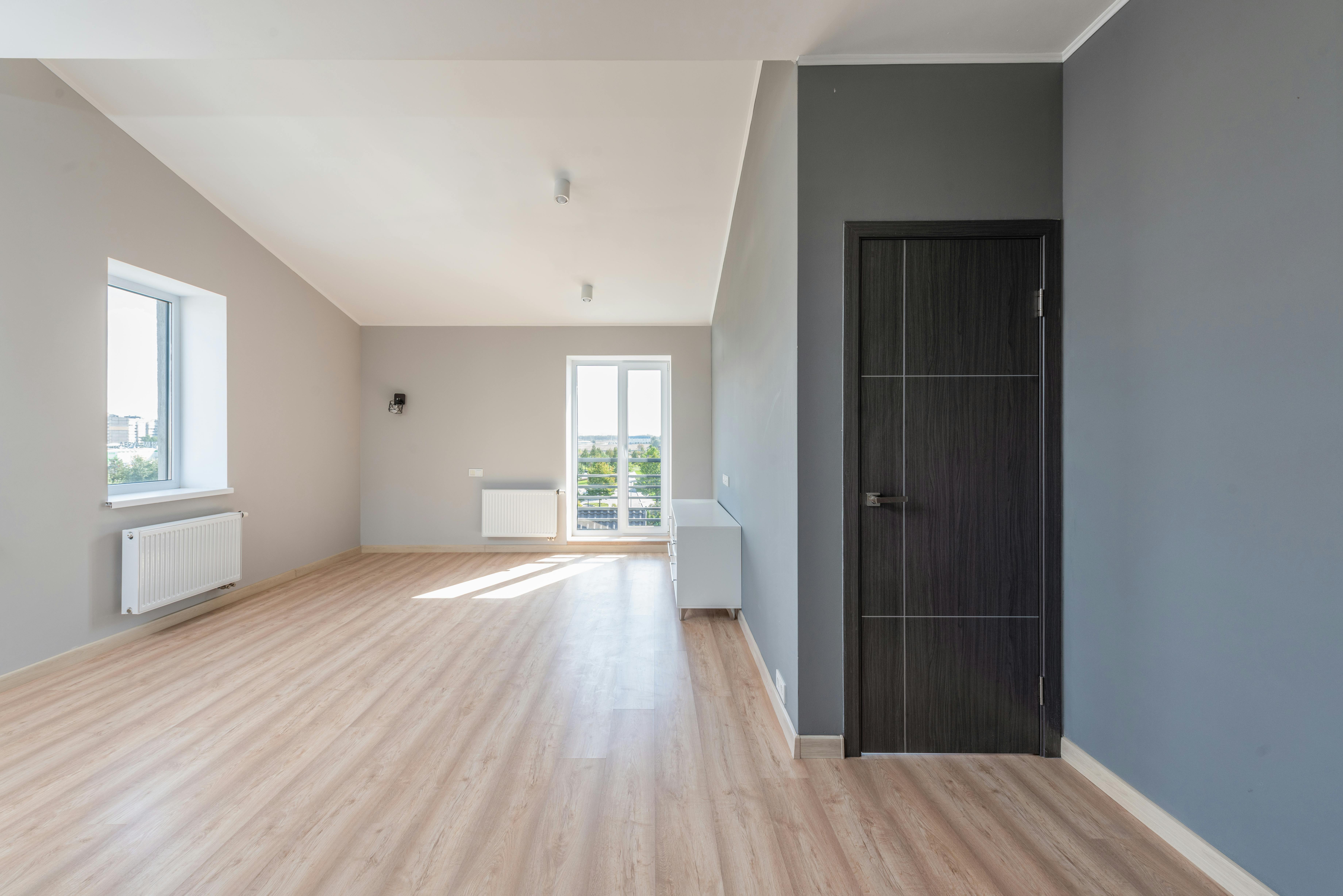
Before thinking about products, define what you actually want to change in your home or business: function first, then look. Make a simple list of rooms and problems you want to solve—lack of storage, worn‑out finishes, poor lighting, awkward layout—and mark which items are truly a priority versus “nice to have later”.
Next, decide on a realistic budget range and timing, even if it is just an idea. This helps separate one large project into several smaller phases, allowing a contractor to suggest technical solutions that fit within your comfort zone, rather than pushing you into an oversized scope. It is also the right time to gather photos of spaces you like, so the team can understand your taste without guessing.
Choosing materials for real life
Choosing materials that match each room
Finishes should match how a space is actually used, not just how they look on a sample board. Living rooms and bedrooms usually benefit from softer wall finishes, warm flooring, and comfortable lighting, while kitchens, bathrooms, laundry rooms, and busy commercial areas need washable paint, moisture‑resistant materials, and floors that can handle daily cleaning.
When you discuss options, ask specific questions: how easy is this surface to clean, how it behaves with kids, pets, and heavy traffic, and what the realistic lifespan is before the next repaint or refresh. Smart planning often means investing more in hard‑working areas—floors, entries, kitchens, bathrooms—and keeping simpler, budget‑friendly solutions for low‑traffic rooms.
What to look for at the final walkthrough
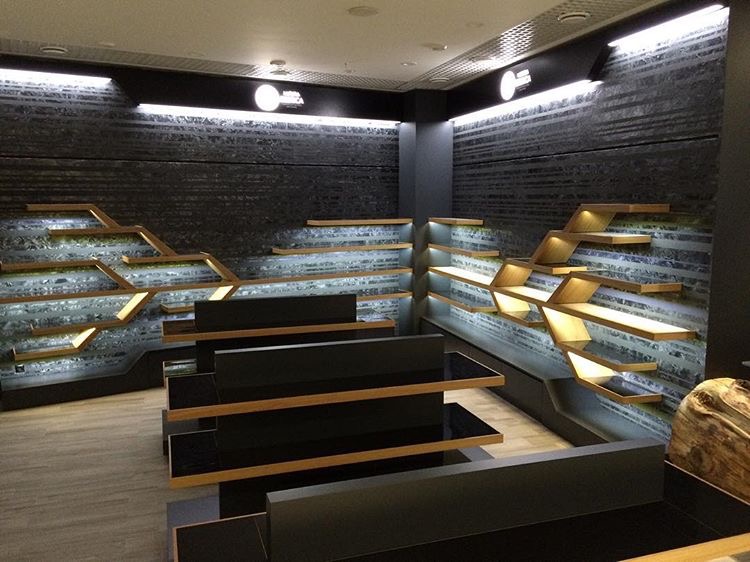
A good final walkthrough goes beyond “looks nice at a glance.” View the space in strong, even light—daylight plus all new fixtures—and move slowly through each room.
- Surfaces and lines. Check that walls and ceilings are reasonably flat, corners look straight, and transitions between materials (tile to paint, trim to wall, countertop to backsplash) are clean and intentional, not rough or uneven.
- Paint quality. Look for roller marks, missed areas, drips, or fuzzy edges along ceilings, trim, outlets, and switches. Pay extra attention to high‑traffic spots and around door frames, where rushed work shows first.
- Tile and flooring. Run your hand across tile or planks to feel for lippage; joints should be aligned and consistent in width, with grout fully filled and without obvious cracks.
- Carpentry and hardware. Open and close every door, drawer, cabinet, and window in the remodeled areas. They should move smoothly, line up properly, and latch without rubbing. Baseboards, casing, and transitions to existing finishes should be tight, with caulk used only where it belongs.
If you see issues, write them down as a simple punch list instead of mentioning them casually in conversation. Agree in writing which items will be fixed, how they’ll be fixed, and by what date, so both you and the contractor have the same expectations.
“Quality work is evaluated twice: on the last day of the project and again a year later. Our aim is for both moments to feel equally solid.”
Why your feedback matters to the contractor
Honest, calm feedback is not a problem for a serious contractor—it is part of a professional process.
- It improves quality. Clear comments on what felt strong and what felt weak help the team adjust prep, supervision, and quality checks on future projects.
- It aligns expectations. Sometimes clients imagine one level of finish and the crew delivers another. Discussing specific spots in the room lets the contractor explain professional standards and, when needed, push the work to the level you expected.
- It builds long‑term relationships. A contractor who listens, explains, and corrects reasonable issues earns your trust, which leads to repeat work and recommendations instead of one stressful project.
When you give feedback, stay specific and balanced: mention what you’re happy with, then point to exact locations that concern you—“this tile corner,” “this cabinet door,” “this wall where the light shows lines.” The goal is not an abstract “perfect” project, but a result that meets professional standards and genuinely feels right to you as the client.
Easy steps to create a color palette
Lorem ipsum dolor sit amet, consectetur adipiscing elit lobortis arcu enim urna adipiscing praesent velit viverra sit semper lorem eu cursus vel hendrerit elementum morbi curabitur etiam nibh justo, lorem aliquet donec sed sit mi dignissim at ante massa mattis.
- Neque sodales ut etiam sit amet nisl purus non tellus orci ac auctor
- Adipiscing elit ut aliquam purus sit amet viverra suspendisse potent
- Mauris commodo quis imperdiet massa tincidunt nunc pulvinar
- Excepteur sint occaecat cupidatat non proident sunt in culpa qui officia
What is a color palette?
Vitae congue eu consequat ac felis placerat vestibulum lectus mauris ultrices cursus sit amet dictum sit amet justo donec enim diam porttitor lacus luctus accumsan tortor posuere praesent tristique magna sit amet purus gravida quis blandit turpis.

Don’t overspend on growth marketing without good retention rates
At risus viverra adipiscing at in tellus integer feugiat nisl pretium fusce id velit ut tortor sagittis orci a scelerisque purus semper eget at lectus urna duis convallis porta nibh venenatis cras sed felis eget neque laoreet suspendisse interdum consectetur libero id faucibus nisl donec pretium vulputate sapien nec sagittis aliquam nunc lobortis mattis aliquam faucibus purus in.
- Neque sodales ut etiam sit amet nisl purus non tellus orci ac auctor
- Adipiscing elit ut aliquam purus sit amet viverra suspendisse potenti
- Mauris commodo quis imperdiet massa tincidunt nunc pulvinar
- Adipiscing elit ut aliquam purus sit amet viverra suspendisse potenti
What’s the ideal customer retention rate?
Nisi quis eleifend quam adipiscing vitae aliquet bibendum enim facilisis gravida neque euismod in pellentesque massa placerat volutpat lacus laoreet non curabitur gravida odio aenean sed adipiscing diam donec adipiscing tristique risus amet est placerat in egestas erat.
“Lorem ipsum dolor sit amet consectetur adipiscing elit, sed do eiusmod tempor incididunt ut labore et dolore magna aliqua enim ad minim veniam.”
Next steps to increase your customer retention
Eget lorem dolor sed viverra ipsum nunc aliquet bibendum felis donec et odio pellentesque diam volutpat commodo sed egestas aliquam sem fringilla ut morbi tincidunt augue interdum velit euismod eu tincidunt tortor aliquam nulla facilisi aenean sed adipiscing diam donec adipiscing ut lectus arcu bibendum at varius vel pharetra nibh venenatis cras sed felis eget.