
What you should know about the Wallpaper Installation process
Before ordering wallpaper or booking an installer, it is worth slowing down and checking a few key points. These questions help you avoid common mistakes and make sure the project matches your expectations.
- Clarify your overall budget, not just the wallpaper price. Include material cost, wall preparation, installation, potential furniture moving, and protection of floors and finishes. Unexpected wall repairs are one of the most frequent reasons budgets “suddenly” grow.
- Plan for access and free space in the rooms. Installers need room for ladders, tools, pasting tables, and safe movement. In homes this can mean temporarily moving a sofa or shelving; in offices and hotels it can require scheduling around business hours or guest traffic.
- Think through your design goals and how the room is used. A bold pattern behind a headboard might be perfect in a bedroom but distracting in a conference room. Consider lighting, existing furniture, branding, and how people will move through the space.
- Decide which walls matter most. Accent walls, long corridors, reception areas, and feature walls in lobbies often bring the biggest visual impact and may deserve higher‑end materials.
- Be realistic about timing. Even a “simple” room can take longer than expected when proper surface preparation and drying times are respected. For commercial projects, align installation with quiet periods, partial closures, or off‑hours work.
Thinking about these topics early makes collaboration with any professional installer smoother and gives you better control over the final result.
Why surface preparation is critical
Surface preparation is the unglamorous part of wallpaper installation, but it is also where most long‑term problems begin or are prevented.
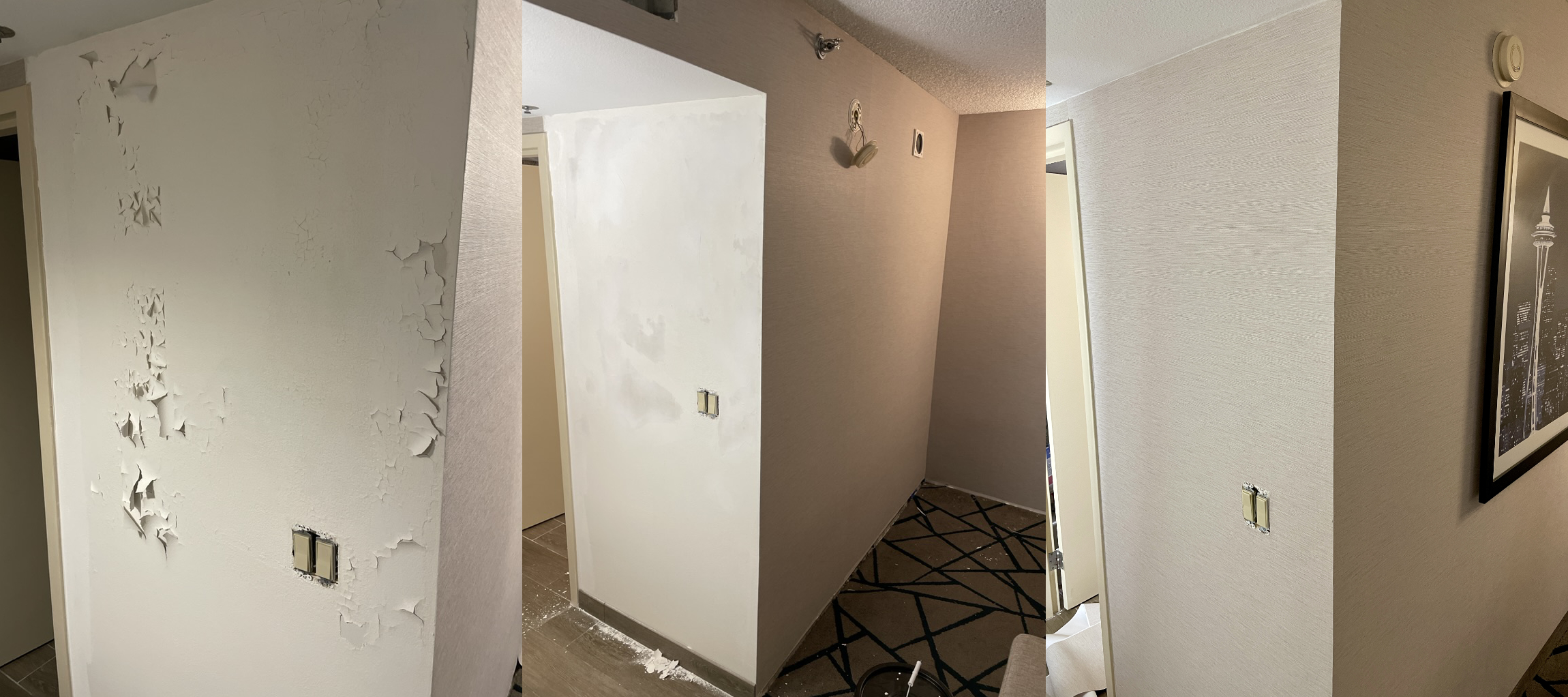
Wallpaper adheres best to a smooth, stable, and properly sealed surface. Heavy texture, flaking paint, old adhesive, or glossy, unprimed walls can all lead to bubbles, lifting seams, and visible imperfections. In many cases, preparing a wall means:
- Removing old wallcoverings and as much residual paste as possible.
- Repairing cracks, dents, and nail holes.
- Skim‑coating textured walls to create a flat surface.
- Light sanding to knock down ridges and dust.
- Applying a high‑quality primer designed specifically for wallpaper.
That last step is often overlooked in DIY projects. A dedicated wallpaper primer improves adhesion, helps the paste dry evenly, and makes future removal less damaging to the wall. Whether you are hanging designer paper in a Clyde Hill home or commercial vinyl in a Seattle office, good preparation is the foundation of a clean, long‑lasting finish.
What type of the wallpaper to choose?
Not all wallpaper is created for the same conditions. Choosing the right type for each space is one of the smartest decisions you can make.
For high‑traffic commercial environments—such as office corridors, hotel hallways, elevators lobbies, restaurants, and waiting areas—commercial‑grade wallcoverings are usually the best choice. These are often wider rolls with a more robust backing and a durable, washable surface. They are built to handle regular cleaning and frequent contact without quickly showing wear.
For bathrooms and other moisture‑prone rooms, look for wallpapers rated for higher humidity and pair them with good ventilation. Even then, installers will pay close attention to seams and edges, where moisture problems tend to start.
For standard residential spaces—living rooms, bedrooms, home offices—you have more flexibility. Textured grasscloths, fabric‑backed patterns, and designer prints can create a warm, tailored feel. The key is to focus on quality rather than just the lowest price. Very cheap wallpapers often come with inconsistent printing, thin backings, and more visible seams, which can erase any savings once installation difficulties and early replacement are considered.
It is also worth mentioning two popular categories: pre‑pasted and peel‑and‑stick wallpapers. Despite the marketing about fast and easy installation, these options can be less forgiving in real‑world projects. They are more prone to adhesion issues, stretching, or shrinking, and can highlight any imperfections in the wall. For long‑term residential work or serious commercial interiors, many professionals prefer traditional paste‑the‑wall or paste‑the‑paper systems paired with stable, high‑quality materials.
If you feel overwhelmed by the choices, working with an installer or designer who understands both aesthetics and performance can save you time and help you avoid expensive trial‑and‑error.
After wallpaper installation is done
What happens in the first days after installation has a big influence on how well your wallpaper ages.
In the first 24 hours, the adhesive is still curing. During this period it is best to avoid strong drafts, keep the temperature between 65°F and 80°F (18°C - 27°C), maintained for 48 hours before, during, and after application. Rooms should be kept at a stable temperature to avoid bubbling, curling, or shrinkage, with humidity levels between 30% and 50% for optimal adhesive performance, or directly blowing warm or cold air onto the walls. Opening windows wide or running fans right after installation can cause uneven drying and may pull at seams. Keeping the room at a stable, moderate temperature with normal humidity gives the adhesive time to set properly.
It is also wise to wait before pressing furniture tightly against the walls or hanging heavy artwork. Small movements while the paste is still soft can disturb seams or leave permanent marks in softer wallcoverings. When cleaning is necessary, follow the manufacturer’s recommendations—usually a soft cloth or sponge and a mild solution for washable surfaces, and dry dusting only for delicate finishes.
“Smart project preparation will help you to achieve the best results. Thoughtful planning, the right materials, and careful preparation are key.”
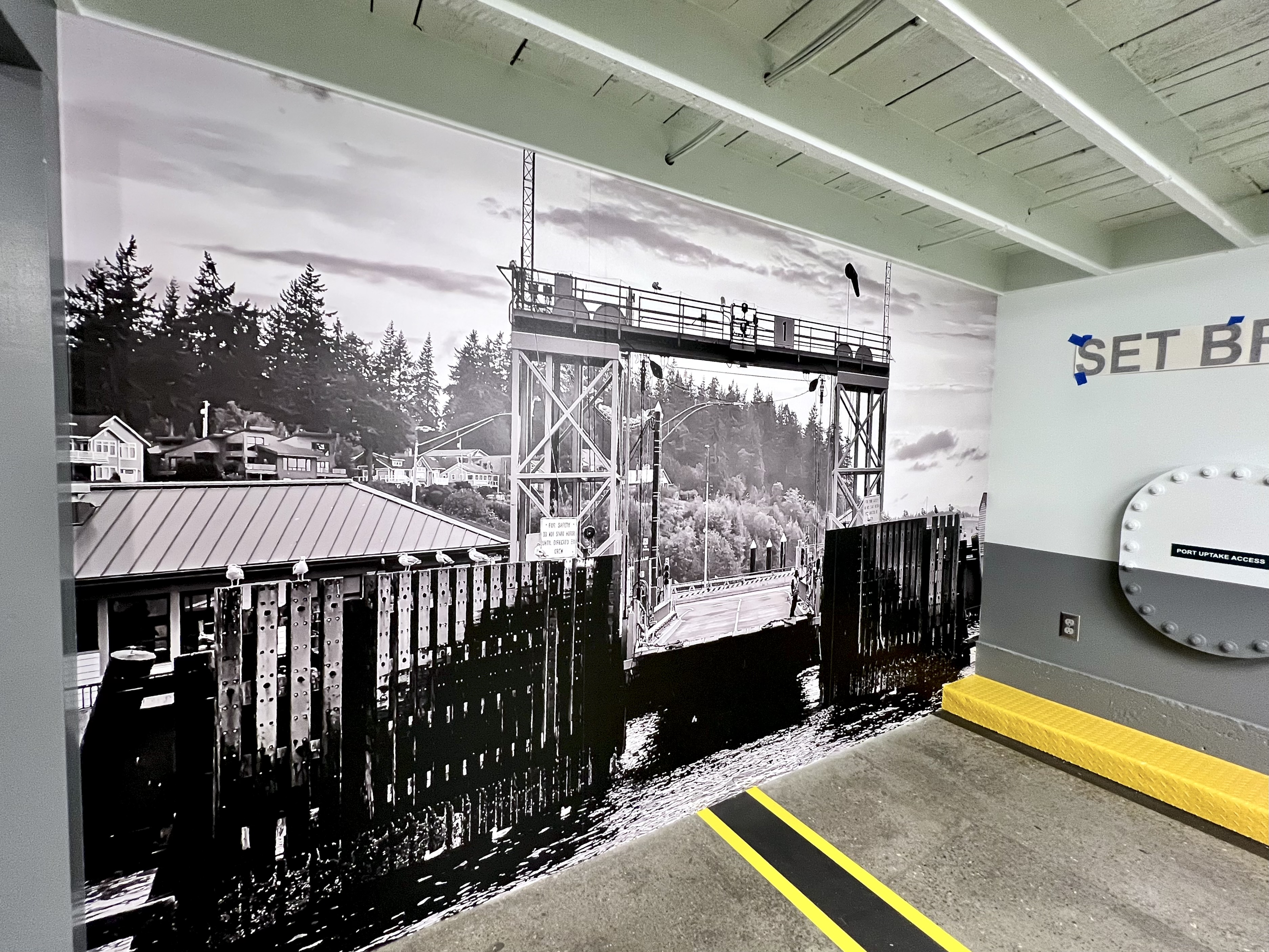
Why these nuances matter
Why these nuances matter Whether we are updating a single residential bedroom or partnering with interior designers, construction firms, and major brands like Hilton Hotels on multi-floor commercial projects, our core principles never change. Careful planning, meticulous wall prep, and mindful aftercare ensure that your wallpaper becomes more than just decoration. It becomes a functional, durable part of your space that looks flawless on day one and continues to perform beautifully for years.
Easy steps to create a color palette
Lorem ipsum dolor sit amet, consectetur adipiscing elit lobortis arcu enim urna adipiscing praesent velit viverra sit semper lorem eu cursus vel hendrerit elementum morbi curabitur etiam nibh justo, lorem aliquet donec sed sit mi dignissim at ante massa mattis.
- Neque sodales ut etiam sit amet nisl purus non tellus orci ac auctor
- Adipiscing elit ut aliquam purus sit amet viverra suspendisse potent
- Mauris commodo quis imperdiet massa tincidunt nunc pulvinar
- Excepteur sint occaecat cupidatat non proident sunt in culpa qui officia
What is a color palette?
Vitae congue eu consequat ac felis placerat vestibulum lectus mauris ultrices cursus sit amet dictum sit amet justo donec enim diam porttitor lacus luctus accumsan tortor posuere praesent tristique magna sit amet purus gravida quis blandit turpis.

Don’t overspend on growth marketing without good retention rates
At risus viverra adipiscing at in tellus integer feugiat nisl pretium fusce id velit ut tortor sagittis orci a scelerisque purus semper eget at lectus urna duis convallis porta nibh venenatis cras sed felis eget neque laoreet suspendisse interdum consectetur libero id faucibus nisl donec pretium vulputate sapien nec sagittis aliquam nunc lobortis mattis aliquam faucibus purus in.
- Neque sodales ut etiam sit amet nisl purus non tellus orci ac auctor
- Adipiscing elit ut aliquam purus sit amet viverra suspendisse potenti
- Mauris commodo quis imperdiet massa tincidunt nunc pulvinar
- Adipiscing elit ut aliquam purus sit amet viverra suspendisse potenti
What’s the ideal customer retention rate?
Nisi quis eleifend quam adipiscing vitae aliquet bibendum enim facilisis gravida neque euismod in pellentesque massa placerat volutpat lacus laoreet non curabitur gravida odio aenean sed adipiscing diam donec adipiscing tristique risus amet est placerat in egestas erat.
“Lorem ipsum dolor sit amet consectetur adipiscing elit, sed do eiusmod tempor incididunt ut labore et dolore magna aliqua enim ad minim veniam.”
Next steps to increase your customer retention
Eget lorem dolor sed viverra ipsum nunc aliquet bibendum felis donec et odio pellentesque diam volutpat commodo sed egestas aliquam sem fringilla ut morbi tincidunt augue interdum velit euismod eu tincidunt tortor aliquam nulla facilisi aenean sed adipiscing diam donec adipiscing ut lectus arcu bibendum at varius vel pharetra nibh venenatis cras sed felis eget.